
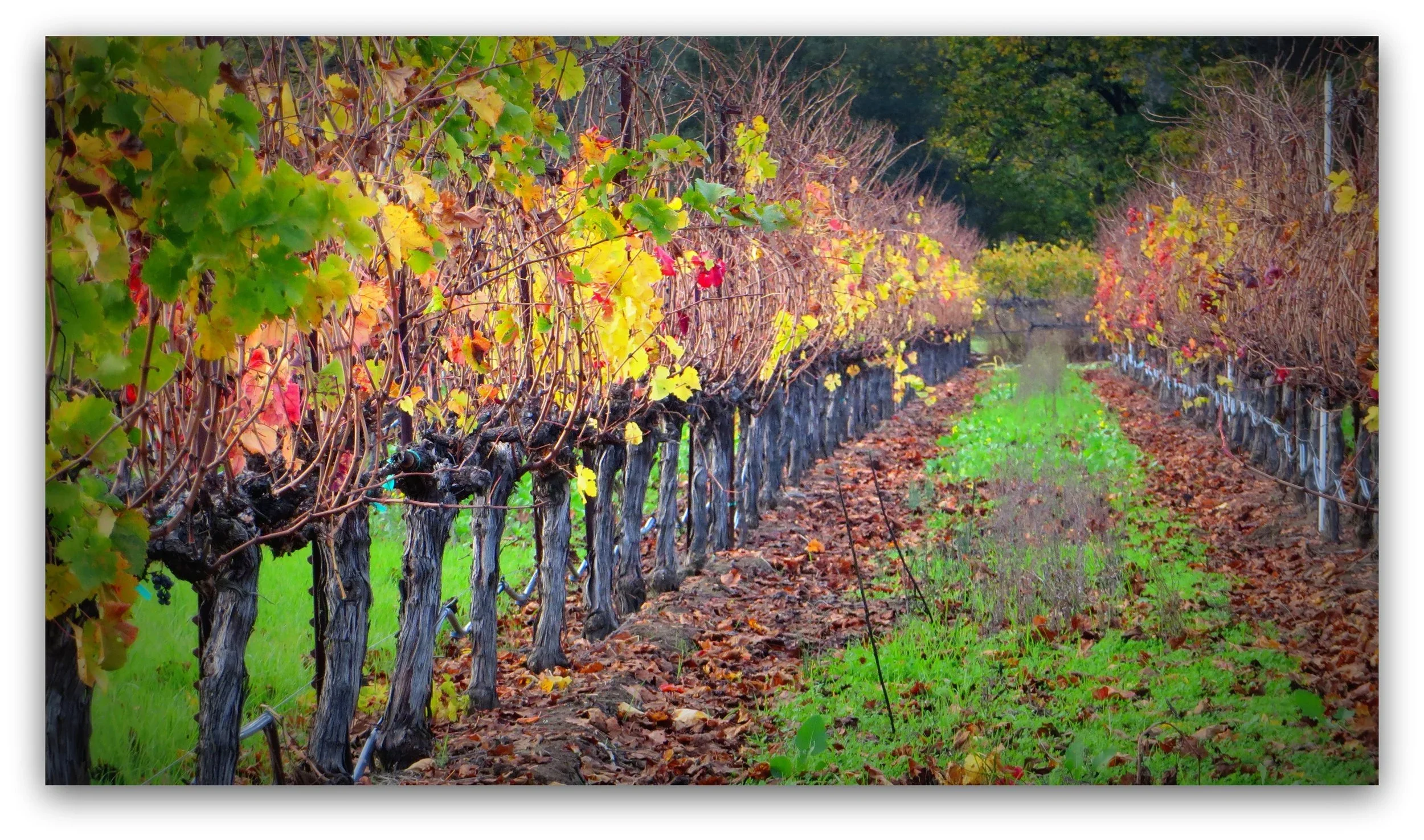
California to Portugal
■
Transforming agricultural byproducts into renewable materials
[ About ]■
At CalStixx, we are part of the Cork and Coast Ventures family of companies dedicated to transforming agricultural by-products into renewable fuels, organic fertilizers, sustainable feeds, and specialty materials.
From California to Portugal, our mission is simple: reduce waste, create value, and build a circular economy that benefits both people and planet. Together, we’re shaping a resilient future.

Reusable
Byproducts
■
Grape Pomace
-
Global Production of grapes destined for winemaking – 37.6 million tons , resulting in 9.3 million tons of grape pomace.
-
California Production is around 3.2 million for winemaking resulting in around 815,000 tons of GP
-
Grape pomace is used as a soil amendment and compost input, an animal feed additive for antioxidant and gut health benefits, a dietary fiber and nutraceutical extract source, a cosmetic exfoliant and antioxidant active, and a filler or biomass input for biocomposites and energy.
Grape pomace or grape marc is the major solid by-product generated during wine making process. This residue usually constitutes about 10%-30% of the processed wine grape weight, depending on the grape variety, viticulture practices, and winemaking process
Almond shells can be used for various purposes, including livestock bedding, as a component in animal feed, and in the production of biofuels.
Nut Shells
-
Global almond production: about 4–5 billion pounds per year
-
California production: about 2–3 billion pounds per year.
-
Almond shells are used as soil amendments and compost bulking material, natural exfoliants and texturizers in cosmetics, industrial fillers in plastics, resins, and composites, abrasive media for blasting and polishing, and as feedstock for biochar, activated carbon, and solid biofuels.
[ Request ADDITIONAL INFORMATION ]